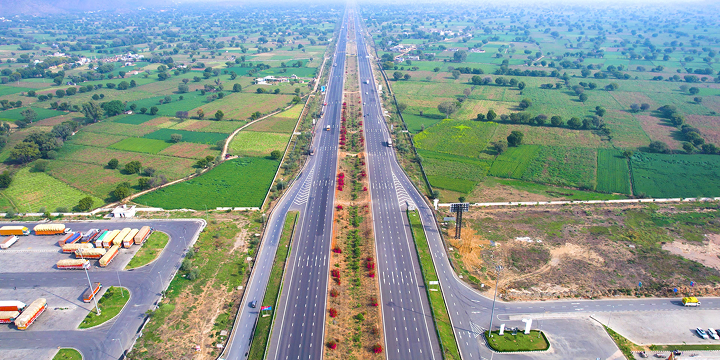
How NHAI Shaped Our Founder’s Approach to Building Homes
While most real estate stories revolve around market timing and scale, Mr. Sanjeev Raju’s journey reflects something different. The mindset of an engineer who believes that great homes begin with great infrastructure. His time working with NHAI exposed him to the complexity of large-scale public projects, where planning, precision, and long-term impact matter far more than short-term gains. This experience would later shape how MSR Infraa’s approache tp land selection, project planning, and structural design, principles that continue to influence the company’s developments today.
Before his time with NHAI, he had already established himself as a respected developer in Nellore through a series of residential projects. Yet at the peak of that growth, he made a decision that surprised many; he stepped away from the momentum of his real estate business to pursue an opportunity with NHAI. The motivation was not financial. It was rooted in a lifelong passion for engineering. As a civil engineer with a specialization in structural engineering, he was deeply interested in how cities function at a systems level, including roads, bridges, transportation corridors, and the underlying infrastructure that shapes urban life. The opportunity to work with NHAI offered exposure to the planning and execution of large-scale national infrastructure. For him, this was an opportunity to learn how infrastructure decisions are made, how large projects are approved, and how engineering solutions can influence the long-term functionality of a city.
The NHAI Years: Understanding How Cities Function
During his stint with NHAI between 2005 and 2008, he gained insight into the processes that drive large public infrastructure projects. These included project planning, coordination with multiple government departments, regulatory approvals, and the technical considerations required for major transportation infrastructure.
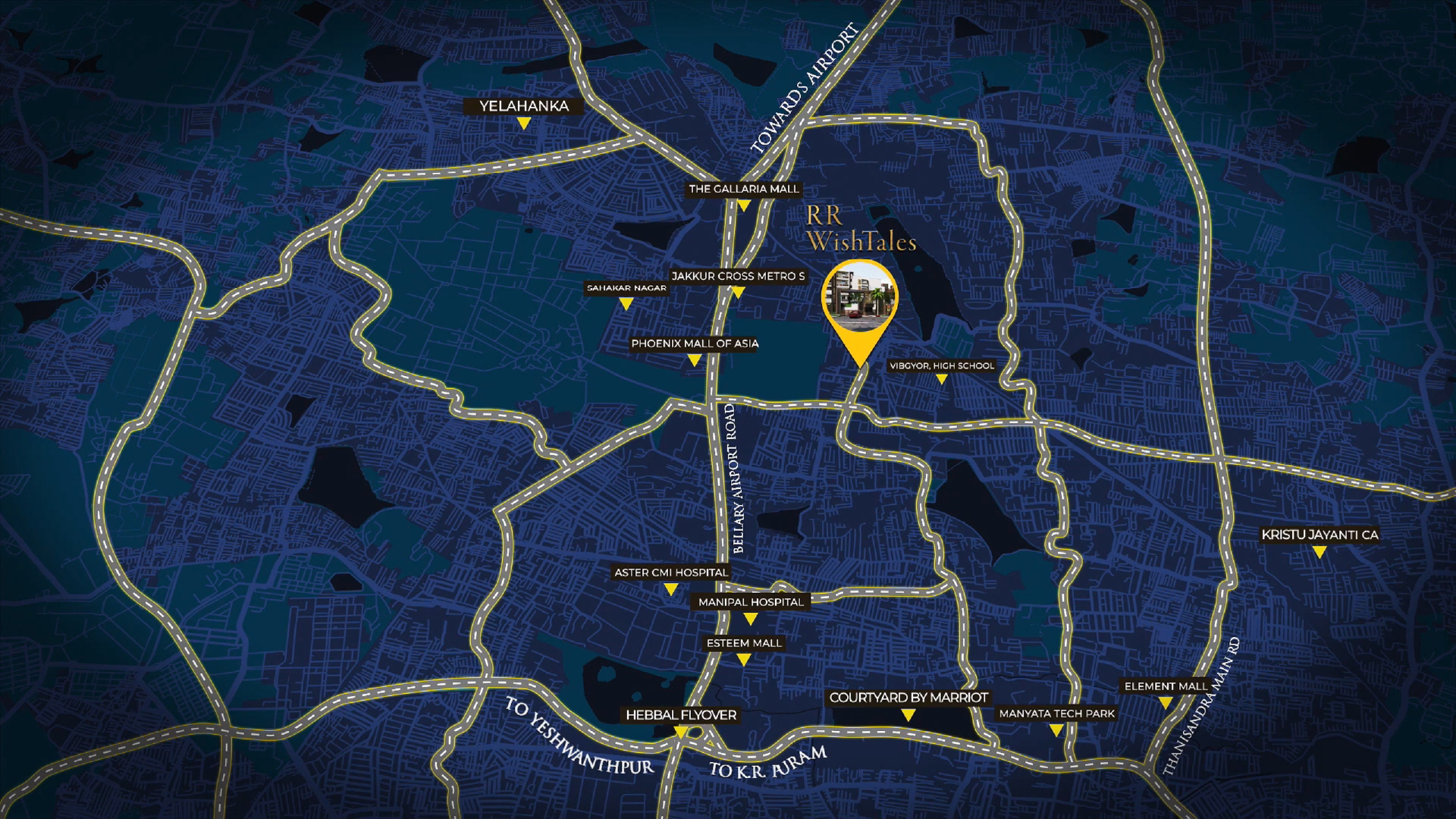
One of the most notable examples from this period involved planning improvements along the route connecting Bengaluru city to the airport corridor. The initial proposal envisioned a series of separate flyovers to manage traffic congestion. However, after technical analysis and discussions with the project team, an alternative concept was proposed: a continuous elevated corridor rather than multiple disconnected flyovers. The idea was simple but impactful: uninterrupted flow of traffic would reduce congestion, improve travel efficiency, and create a more coherent infrastructure solution for the growing city.
The Legacy of Engineering-Led Development
For MSR Infra, the period spent working with NHAI was more than a professional chapter in Sanjeev Raju’s career. It shaped the way the company thinks about development itself. Many developers focus primarily on architectural aesthetics or sales-driven features. Infrastructure-led thinking, however, prioritizes the underlying systems that ensure a building performs well over time. This mindset reinforcing the company’s emphasis on quality, durability, and long-term value. It also reflects the founder’s enduring identity as an engineer first and a developer second mindset.
Conclusion / Key Takeaways
Mr. Sanjeev Raju’s experience with the National Highways Authority of India contributed significantly to the philosophy that guides MSR Infra today.
Key insights from that journey include:
Infrastructure-first thinking — evaluating land and development potential based on connectivity and urban planning fundamentals.
Engineering-led problem solving — applying systems thinking to both infrastructure and residential design.
Long-term structural quality — prioritizing durability and precision in construction practices.
Urban perspective — understanding how transportation networks, infrastructure, and housing development influence each other.